

Best Way to Install a Security System
Installing your own security system can seem like a difficult, intimidating task to take on—but it doesn’t have to be! Security systems range from easy-to-install motion detectors to top-of-the-line wireless systems that connect to your smartphone, but no matter which kind you buy, the installation process will generally go the same way. Following these steps, you’ll have your system up and running in no time!
Planning stage
it is essential that you create a plan prior to starting your home security system installation. Your business plan should have included a list of what will be done and when. These tasks should be outlined, including who will do them and by when. This can help ensure that your security system is installed correctly and in time for it to be operational when needed.
Once complete, review your plan with all team members who will execute it so they are all on board. This includes not only those on staff at your company but any subcontractors or outside experts you may use as well. There is nothing worse than being halfway through a project and realizing that something has been forgotten.
If possible try to install your security system yourself if you feel comfortable doing so.
Installation stage of Security System
The installation process is, by definition, going to be different for every business. After all, no two businesses or establishments are exactly alike. For example, some security systems are designed to cover broad ground while others are designed with smaller areas in mind (like installing cameras in a convenience store). The size of your space will determine how long it takes you to install your new security system.
Additionally, it’s worth noting that some systems can be installed directly out of the box while others may require additional tools and devices. This will also have an impact on your installation timeline. If possible, get an estimate on how long it will take you to set up your system before buying. It never hurts to ask! More often than not, companies want their customers happy so they won’t want to understate their installation timeline in order to get a sale; after all, repeat customers tend to lead to repeat sales!
Maintenance stage
One of the most important parts of owning a security system is taking care of it. The team at (INSERT COMPANY NAME) has put together some helpful tips for keeping your security system running smoothly and ensuring you stay protected. Here are some simple steps you can take to keep your security system in good shape.
Download our free mobile app! With your home security system, one of the best things you can do to stay safe is connect with friends and family members who may be worried about whether or not you’re safe and well-protected during natural disasters like hurricanes or floods. This mobile app will allow them to see if there have been any recent break-ins near where they live, and if so, what dangers might be threatening their neighborhood as well.
Troubleshooting tips
If you’re installing your security system for your home or office, there are a few things you should know before getting started. Your first step is always going to be researching your potential options and determining what you need based on your specific circumstances. Once you’ve done that, it’s time to get the installation process underway! Here are some troubleshooting tips that can help ensure success along your way If your security system’s sensors aren’t responding properly, check these connections.
The battery connections of wireless sensors should have some resistance when you touch them with a screwdriver—if they don’t (or if they’re very loose), tighten them with a screwdriver. If they seem too tight, loosen them with an Allen wrench until it has just enough resistance to make contact when moving around.
FAQs on the installation of CCTV cameras
Q: What are CCTV cameras?
A: CCTV stands for Closed Circuit Television. CCTV cameras are video cameras that transmit their footage to a limited set of monitors or recording devices. They are often used for security and surveillance purposes.
Q: What types of CCTV cameras are available?
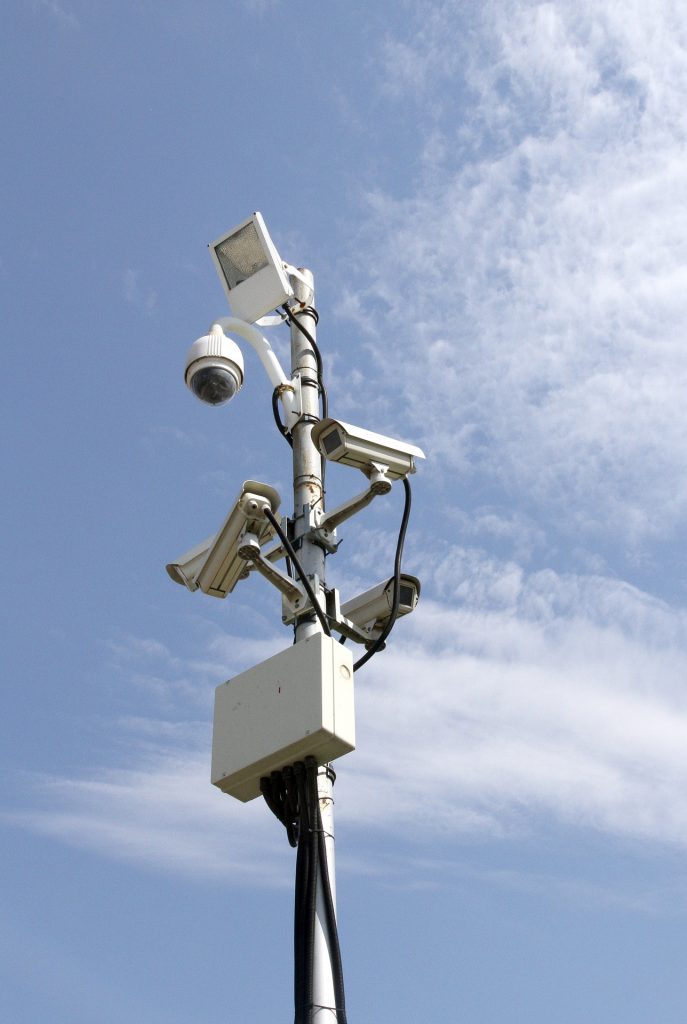
A: There are many different types of CCTV cameras available, including dome cameras, bullet cameras, PTZ cameras, and covert cameras. Each type has its own strengths and weaknesses, and the best type for your installation will depend on your specific needs.
Q: What factors should be considered when installing CCTV cameras?
A: There are several factors that should be considered when installing CCTV cameras, including the purpose of the cameras, the placement of the cameras, the lighting conditions in the area, the type of camera being used, the type of cabling being used, and the storage capacity of the recording devices.
Q: Can I install CCTV cameras myself, or should I hire a professional?
A: It is possible to install CCTV cameras yourself, but it can be challenging and time-consuming. It is recommended that you hire a professional to ensure that the cameras are installed correctly and that the system is working properly.
Q: How much does it cost to install CCTV cameras?
A: The cost of installing CCTV cameras can vary widely depending on a variety of factors, such as the number of cameras, the type of cameras being used, the complexity of the installation, and the location of the installation. It is best to get a quote from a professional installer to determine the cost.
Q: Do I need to get permission to install CCTV cameras?
A: In some cases, you may need to get permission from your local authorities or from your building’s management before installing CCTV cameras. It is best to check with your local regulations before proceeding with the installation.
Q: How long does it take to install CCTV cameras?
A: The time it takes to install CCTV cameras can vary depending on the complexity of the installation and the number of cameras being installed. A simple installation with a few cameras may take only a few hours, while a complex installation with many cameras may take several days.
Q: Can CCTV cameras be monitored remotely?
A: Yes, CCTV cameras can be monitored remotely. Many CCTV systems come with software that allows you to view the footage from your cameras over the internet or a mobile device.
Q: How often should CCTV cameras be maintained?
A: CCTV cameras should be maintained regularly to ensure that they are working properly. This may include cleaning the cameras, checking the cabling and connections, and updating the software or firmware. The frequency of maintenance will depend on the specific system and the environment in which it is installed.
Also, read: security system